
Some practices
stick with you+
for years.
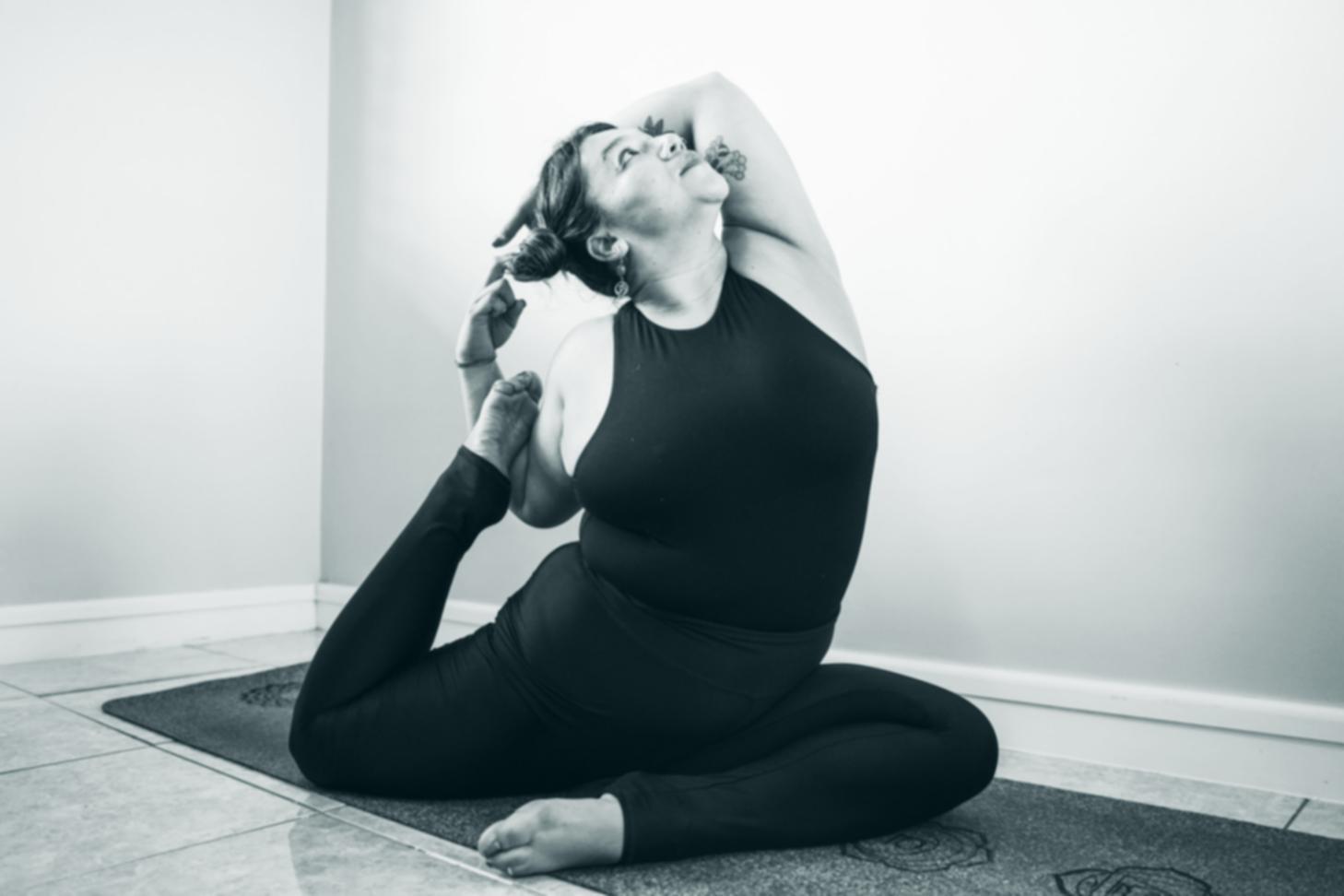
Most of us know what a yoga class looks like from the outside. Fewer of us have had a sequence that actually fits into a real day — one that builds over weeks rather than resetting each time.
 Flow Sequences
 Updated 2025
Sequences that reflect
how bodies actually move
The sequences here are not drawn from a fixed script written years ago. Each module is reviewed alongside current research in movement biomechanics and updated when the field moves. You are not learning a frozen tradition — you are learning a living practice.
What remains↑ when the lessons are over
A course is only worth the time it takes if something carries forward. The sequences taught here are designed to be recalled, adapted, and led — not just experienced once.

Reading your own body
After enough repetitions with a structured sequence, you start to notice what differs day to day — tightness, range, energy. That internal awareness does not disappear when the course ends.
Sequencing logic
You leave with an understanding of why poses are ordered the way they are — warmup, peak, recovery — so you can build your own sessions with intention.
A shorter morning practice
Knowing 4–5 reliable sequences means you never spend 15 minutes deciding what to do. The decision is already made, and you just begin.
Ability to guide others
Several participants go on to lead informal group sessions among friends or colleagues. The vocabulary and structure learned here transfers directly.
Adaptable, not rigid
Each sequence includes modification notes for different range and energy levels. Adapting on the fly becomes natural over time rather than stressful.
Practicing alongside others changes what is possible
Solo practice has its place, but most practitioners notice they push less on their own. The group here spans different backgrounds — some come from dance or athletics, others from desk jobs with tight hips and limited flexibility. That variety is useful.
I kept stopping and restarting on my own for years. Having a structure and a group made the difference — not motivation, just consistency built in.
Coming from a running background I was skeptical about flow work. Turns out the breath control transferred directly to my race pace.
The community forum here is surprisingly active. People share modifications they found, questions get answered fast, and nobody is competitive about it.
A few conditions worth being honest about
Flow sequences are learnable at almost any fitness level, but the pace and format here suit some learners better than others. These are not barriers — they are just useful things to know before starting.
You can give it 20–30 minutes a day
The sequences range from 18 to 35 minutes. Progress slows noticeably without regular repetition — not because of rules, but because sequence memory works through repetition.
You are comfortable learning by watching
The format is video-led with written cues alongside. There is no live correction of your form. If you need in-person hands-on guidance, that is better found locally first.
You are not expecting overnight flexibility
Physical changes from regular yoga practice tend to appear in weeks six to twelve. The earlier sessions often feel less dramatic than the marketing for yoga usually suggests.
A mat and some floor space is enough
No blocks, straps or special equipment is required to start. Optional props are mentioned where useful but never treated as prerequisites.
You are based anywhere in Ukraine
All materials are online and accessible regardless of region. The platform was built specifically so location is not a factor in who can access quality instruction.
Starting with zero background is fine
The first module assumes no prior yoga experience. Terminology is introduced gradually and every Sanskrit term is explained in plain language the first time it appears.